How to Cover a Metal File Cabinet
To cover a metal file cabinet, clean and scuff the painted surface, protect the lock and label holder, then paint, wrap or panel over it. The most durable option is a spray enamel built for metal, which bonds to the cabinet and hides the old finish.
On this page (9 sections)
- What is the easiest way to cover a metal file cabinet?
- How do you prep a metal file cabinet for a new cover?
- Which paint should you use to cover a metal file cabinet?
- How do you cover a cabinet with paint step by step?
- How do you cover a cabinet with peel-and-stick wrap?
- How do you cover a cabinet with fabric or panels?
- How do you protect the lock, handles and edges while covering?
- What should you know before you cover a tall cabinet?
- Which cover should you pick for your cabinet?
To cover a metal file cabinet, clean and scuff the old finish, mask the lock and handles, then paint or wrap the shell. A metal-rated enamel spray is the toughest option and hides dents and scratches better than a thin wrap.
How you cover a metal file cabinet comes down to three routes: spray paint, peel-and-stick wrap, or fabric and panel overlays. Each has a place, and the prep work decides how long the result lasts.
What is the easiest way to cover a metal file cabinet?
Spray enamel is the easiest durable cover. One can handles the sides and top, the paint bonds straight to the metal, and you don't have to wrap around drawer fronts or fight bubbles.
Wrap is easier for a first-timer who doesn't want fumes. Cut a piece slightly larger than each face, press it on from one edge, and smooth it with a squeegee as you go.
It goes on in an afternoon with no dry time.
Fabric panels take the most patience. You cut each panel to size and glue or staple it to a backing board so it can slide off for cleaning.
That approach suits a fabric look but needs a steady hand at the edges.
For most people, paint wins on durability and wrap wins on speed. Pick paint if the cabinet gets daily use and wrap if you rent or plan to move soon.
How do you prep a metal file cabinet for a new cover?
Clean off grease and dust, scuff the gloss, and tape anything you want to keep. Prep is the step that decides whether the cover stays put, so don't skip it.
Start with the cleaning guide: how to clean metal file cabinets covers rust spots, sticky label residue and the soap-and-water wash. Let the cabinet dry fully before you touch the surface.
Next, dull the gloss with fine sandpaper or a scuff pad. You don't need to strip the paint, just give the new coat something to bite into.
Wipe away the sanding dust with a tack cloth.
Empty the drawers and remove the top tray. Pull the cabinet a few feet from the wall so you can reach the back and sides.
A drop cloth under and behind it saves a cleanup later.
Which paint should you use to cover a metal file cabinet?
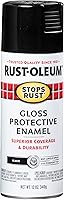
Use an oil-based enamel spray labeled for metal and rust prevention. Rust-Oleum Stops Rust is a rust-preventive enamel that dries to touch in 2 to 4 hours and covers up to 15 sq ft per 12 oz can.
Two thin coats beat one thick coat every time. A heavy coat runs, sags and takes longer to cure, while two light passes build an even finish you can touch without a wet spot.
Gloss Black gives the cabinet a fresh shine and hides scuffs better than a flat color. The enamel is rated for interior and exterior metal, so it holds up in a garage or a busy office.
Keep the nozzle moving in steady passes and hold the can the distance the label gives. Spray in a well-ventilated space or outdoors on a calm day.
For the full sanding and recoating sequence, see how to paint a metal file cabinet.
What if you want a light color instead?
Go with a white enamel when the room needs a lighter cabinet. Rust-Oleum Stops Rust in Gloss Pure White is the same oil-based enamel in a bright finish that reads clean next to pale walls.
White shows dirt and fingerprints faster than black, so plan on a wipe-down more often. It dries to touch in about 2 hours and covers up to 15 sq ft per can.
Two cans are a safe buy for a full-size cabinet with four drawers.
How do you cover a cabinet with paint step by step?
Mask, prime if needed, spray two thin coats, then cure before use. This is the sequence that gives a smooth finish without paint locking the drawers shut.
- Tape the lock, label holder, handles and any drawer fronts you want to keep bare.
- Wipe the surface clean and scuff the gloss.
- Spray a light first coat and let it dry to the label's touch time.
- Spray a second thin coat and let the finish cure fully.
- Pull the tape while the paint is still slightly soft so the edges don't tear.
- Open and close each drawer to check for sticking before you reload it.
Tape the drawer gaps as well as the fronts. Overspray into the gap can make a drawer drag or seal shut.
Slide a thin strip of tape into each gap and pull it after the final coat.
How do you cover a cabinet with peel-and-stick wrap?
Wrap is the no-paint route: cut a panel per face, press from one edge, and smooth out air. It suits renters and anyone who wants the cabinet to match a room without spraying.
Measure each face, add an inch to every side, and cut the wrap with a sharp blade and a straight edge. Start at one corner and peel the backing away a few inches at a time.
Run a squeegee or a plastic card behind the backing to push air out as you go.
Work one face at a time. On the drawer fronts, wrap each one separately so the drawers still slide and the seams land on the gaps.
Trim the overhang with a blade held flat against the edge.
Wrap won't hide deep dents and it shows scuffs on high-traffic corners. It also doesn't take a second layer well.
Treat it as a look change, not a repair.
How do you cover a cabinet with fabric or panels?
Fabric and panels give a softer look, but each piece needs a stiff backing. Glue or staple the fabric to a thin board cut to the face size, then attach the board to the cabinet with removable adhesive or clips.
This method works best on the sides and top, where the panels don't move. Keep drawer fronts clear or wrap each front separately so the drawers still open.
Choose a tight-weave fabric that wipes clean. Loose weaves hold dust and fray at the cut edge, so seal the edges with a thin line of fabric glue before you attach the panel.
Panels come off for cleaning or a color change, which is the main advantage over paint. The trade-off is that the seams show and the surface sits slightly proud of the cabinet.
How do you protect the lock, handles and edges while covering?
Tape the lock and label holder, remove the handles if they unscrew, and re-lubricate the lock afterward. Paint in a key slot can jam a lock for good, so mask it carefully and check it when the job is done.
If the lock feels stiff after the finish cures, a dry graphite powder frees it up. Hillman's 3 gram graphite tube has a narrow tip that fits into the key slot, and the dry powder resists dust buildup better than oil.
Squirt a little into the slot, work the key in and out a few times, and wipe off any excess. Graphite is dry, so it won't gum up the way oil can in a dusty office.
Handles that unscrew come off in seconds and save taping time. Label holders and drawer pulls that don't come off need careful tape lines.
Run a blade along the tape edge before you peel it so the paint doesn't lift.
What should you know before you cover a tall cabinet?
A tall cabinet needs more paint and a steady reach, and it should be anchored before you finish the job. Measure the height and count the faces so you buy enough cans.
A full-size four-drawer cabinet has two sides, a top, a front and sometimes a visible back. At 15 sq ft per can, budget at least two cans for two thin coats on a standard upright.
Work top to bottom so drips don't run onto finished faces. If the cabinet is more than about 4 ft tall, set it on a low platform or use a step stool rather than overreaching with a spray can.
Before you reload the drawers, make sure the cabinet won't tip. Our guide to how to anchor a file cabinet to the wall covers the bracket and stud steps.
A freshly painted cabinet is no safer than the old one, so anchor it either way.
Which cover should you pick for your cabinet?
Pick spray enamel for daily use, wrap for a rental or quick refresh, and panels for a softer look. The prep work is the same for paint and wrap, so choose by how long you want the finish to last.
Go with Gloss Black enamel if the cabinet sits in a busy office or garage. Choose Gloss Pure White if the room is light and you don't mind a regular wipe-down.
Keep the graphite tube on hand for the lock after any paint job.
If the cabinet is beyond covering, how to dispose of metal file cabinets covers recycling and pickup. And if you're replacing it, compare upright file cabinets before you buy.
The one rule for how to cover a metal file cabinet is simple: prep properly, mask the lock, and build thin coats. Do that and the new finish outlasts the room's next paint color.
Frequently asked questions
Can you cover a metal file cabinet without painting it?
Yes. Peel-and-stick vinyl wrap, contact paper or fabric panels cover the outside without paint.
These options suit renters or anyone who wants to change the look without sanding and spraying, though they show scratches and wear faster than enamel.
Do you have to sand a metal file cabinet before covering it?
No, but a light scuff helps paint and wrap grip the surface. Clean off grease and dust first, then use fine sandpaper or a scuff pad on glossy spots.
Wipe away the dust before the first coat.
What paint works best on a metal file cabinet?
An oil-based enamel spray paint made for metal holds up best. Rust-Oleum Stops Rust is a rust-preventive enamel that dries to touch in 2 to 4 hours and covers up to 15 sq ft per can.
Two thin coats beat one heavy coat.
How do you keep paint out of the lock and drawers?
Cover the lock, label holder and drawer fronts you want to keep with painter's tape before you spray. Pull the tape while the paint is still slightly tacky, and lubricate the lock with graphite after the finish cures.