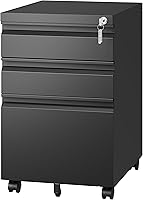
What Is a Mobile Pedestal File Cabinet?
A mobile pedestal file cabinet is a compact storage cabinet on wheels, often used beside or under a desk. To choose one, match its height, drawer layout, folder support, lock, and casters to your workspace and papers.
On this page (8 sections)
- What makes a file cabinet a mobile pedestal?
- What can you store in a mobile pedestal?
- Is a mobile pedestal the same as a rolling file cabinet?
- What should you check before choosing a mobile pedestal?
- How do you set up and use a mobile pedestal?
- What mistakes should you avoid when choosing a mobile pedestal?
- Is a mobile pedestal right for your workspace?
- Which mobile pedestal should you choose?
A mobile pedestal file cabinet is a compact storage cabinet on wheels, usually placed beside or under a desk. If you’re asking what is a mobile pedestal, think of it as nearby storage for files and supplies that you can move when your workspace changes.
“Pedestal” describes the compact cabinet form, while “mobile” refers to its casters. Some models focus on hanging files, while others combine a file drawer with smaller drawers, a covered compartment, or a shelf.
What makes a file cabinet a mobile pedestal?
A mobile pedestal is a small office cabinet with drawers and wheels. Its compact size is meant to keep storage close to a desk, and its casters make repositioning easier than with a stationary cabinet.
Many models are made for under-desk use, but they won’t all fit beneath every desk. Measure the clear height, width, and depth around your desk, including crossbars, cables, and legs, before choosing a cabinet.
The drawer layout also matters. A pedestal might have multiple file drawers, a file drawer plus smaller supply drawers, or a covered compartment for hanging folders.
Choose based on what you need to reach during the workday.
What can you store in a mobile pedestal?
A mobile pedestal can hold hanging files, loose papers, or desk supplies, depending on its drawers and file supports. Look for hanging bars or rails if folders are central to your setup; a plain drawer may be more useful for supplies.
Folder size is another key check. Confirm whether the cabinet accommodates letter, legal, A4, or other folder formats.
Make sure the hanging direction works for your files. Our guide to choosing the right size hanging file folders can help you match folders to the drawer.
Before buying, make a short list of what will go in each drawer. This helps you avoid choosing a cabinet with too few file spaces or more drawers than you can use.
If you mainly need upright storage for folders, compare it with a vertical file cabinet.
Is a mobile pedestal the same as a rolling file cabinet?
A mobile pedestal is one kind of rolling file cabinet, usually with a compact shape intended for desk-side or under-desk use. “Rolling file cabinet” is a broader term that can also describe taller or wider cabinets on wheels.
The names overlap, so compare dimensions and features instead of relying on the label. A cabinet with casters might be too tall for under-desk storage, while a compact pedestal may hold fewer files than a larger rolling unit.
For more options by size and wheel design, see our guide to mobile file cabinets on wheels.
What should you check before choosing a mobile pedestal?
Check desk clearance, drawer layout, folder compatibility, lock coverage, and casters before buying. These details show whether a mobile pedestal fits your workspace and the way you store papers.
How should you measure for a mobile pedestal?
Measure the open space beneath or beside your desk, then compare it with the cabinet’s full assembled dimensions. Include the casters in your height measurement, and allow enough room to pull the unit out and open its drawers.
Measure width and depth too. Account for desk legs, nearby furniture, outlets, and the path the cabinet needs to roll through.
If the cabinet will sit under a desk, measure the space at the narrowest point.
Which mobile pedestal fits your folders?
Choose a cabinet that supports the folder sizes you use and has the right hanging bar or rails. If it supports only one size, make sure your current folders fit or that you’re willing to change formats.
The DEVAISE 3-Drawer Mobile Under Desk File Cabinet has a removable hanging bar that adjusts for letter, legal, and A4 folders. Its separate file drawer and 2 stationery drawers suit someone who wants paper storage and everyday desk supplies in one compact unit.
How many drawers do you need in a mobile pedestal?
Pick a layout around the items you’ll store. Separate file drawers make sense when papers need their own space, while small supply drawers can keep pens and everyday items within reach.
The Letaya 2-Drawer Mobile Under Desk File Cabinet has 2 file drawers for A4, F4, letter, and legal folders. Its interlocking design allows only one drawer to open at a time.
This makes it a strong fit for someone who wants two file spaces in a metal cabinet. Skip it if you need small stationery drawers or a covered shelf compartment.
If you mainly want a covered place for letter-size hanging folders and small office items, the Lorell Mobile Pedestal File with Lock has a sliding cover, key lock, piano-hinge top, and lower shelf. Skip it if you need multiple drawers or support for several folder sizes.
Should you choose a lockable mobile pedestal?
Choose a lock when you want to limit casual access to papers. Check whether it secures all drawers or only one compartment, and consider who needs access and where you’ll keep the keys.
For example, the DEVAISE and Letaya cabinets use one key to lock their drawers. The Lorell has a key lock and is designed for letter-size hanging folders.
A lock helps control access, but it doesn’t make a file cabinet a safe for valuables. For more home storage options, see our guide to choosing the right file cabinet for home.
Which casters work for your space?
Check how many casters the cabinet has and whether they lock. Braking casters can keep a cabinet in place while you open a drawer, and some designs include an extra center caster to help prevent tipping.
Use the cabinet on a level surface and follow its assembly and loading instructions. Wheels make a cabinet easier to move, but they don’t make a loaded drawer safe to push over uneven flooring or thresholds.
How do you set up and use a mobile pedestal?
Set up a mobile pedestal by attaching its casters according to the instructions, then placing it where the drawers can open fully. The three products here arrive assembled except for their wheels, so the setup is limited to attaching the casters.
Once assembled, check that each wheel turns and that the brakes work where fitted. Place the cabinet on a level floor, set any brakes before opening drawers, and keep the path clear when moving it.
Sort files before loading them. Put papers in folders that match the cabinet’s supports, and label folders clearly.
Reserve supply drawers for items you use often. Store heavier items low and avoid opening several drawers at once unless the cabinet instructions allow it.
What mistakes should you avoid when choosing a mobile pedestal?
The most common mistake is choosing by appearance or drawer count alone. A cabinet can look compact and still fail to fit under the desk, or have drawers that don’t support the folder sizes you use.
Avoid these other missteps:
- Measuring desk height without including the casters.
- Forgetting to check width, depth, drawer clearance, and the route into the workspace.
- Assuming every drawer supports hanging folders.
- Buying a lockable cabinet without checking which drawers the lock secures.
- Filling the top drawer heavily or opening several drawers at once.
- Expecting casters to work well on every floor or across every threshold.
A little measuring and sorting before buying can prevent a cabinet from becoming awkward storage that blocks legroom or leaves folders loose.
Is a mobile pedestal right for your workspace?
A mobile pedestal is a good choice when you want papers and supplies within reach and need the option to move storage around your desk. It also suits small work areas where a compact unit can fit beside or beneath a desk.
Skip a pedestal if your desk clearance is too low, you need more file capacity than its drawer layout offers, or you don’t want a wheeled cabinet. A fixed cabinet may suit a permanent setup, while a taller cabinet may offer more space for folders.
Which mobile pedestal should you choose?
Choose a DEVAISE if you want adjustable hanging support for three folder sizes plus two supply drawers. Choose Letaya if two file drawers matter more than stationery storage.
Choose Lorell for a sliding cover, a lock, a lower shelf, and letter-size files.
Before you decide, measure the space and list the folders or supplies you plan to store. For more wheeled choices, compare our guide to the best mobile file cabinets; if you need more height or file capacity, consider a vertical file cabinet instead.
Frequently asked questions
What is a mobile pedestal file cabinet?
A mobile pedestal file cabinet is a compact cabinet with wheels, often designed to sit under or beside a desk. It may have file drawers, smaller supply drawers, or a lock.
Check its dimensions, drawer layout, folder fit, and caster design to see whether it suits your workspace.
What does pedestal mean in a file cabinet?
A pedestal is a compact storage unit that sits beside or beneath a desk. In an office, a mobile pedestal usually has drawers and casters, so you can keep papers and supplies nearby and move the cabinet as needed.
Can a mobile pedestal go under any desk?
No. Measure the clear height beneath the desk, including any crossbars or cables, and compare it with the cabinet's full height after its wheels are attached.
Also check the width and depth so it can roll in and out without hitting desk legs.
Are mobile pedestal file cabinets lockable?
Some are, but locking features vary. Check whether the lock secures every drawer or only a file compartment, and consider where keys are stored.
A lock can limit casual access, but it doesn't make a cabinet a safe for valuables.